How to Make Trading Simple and Effective Using Trendlines and Futures
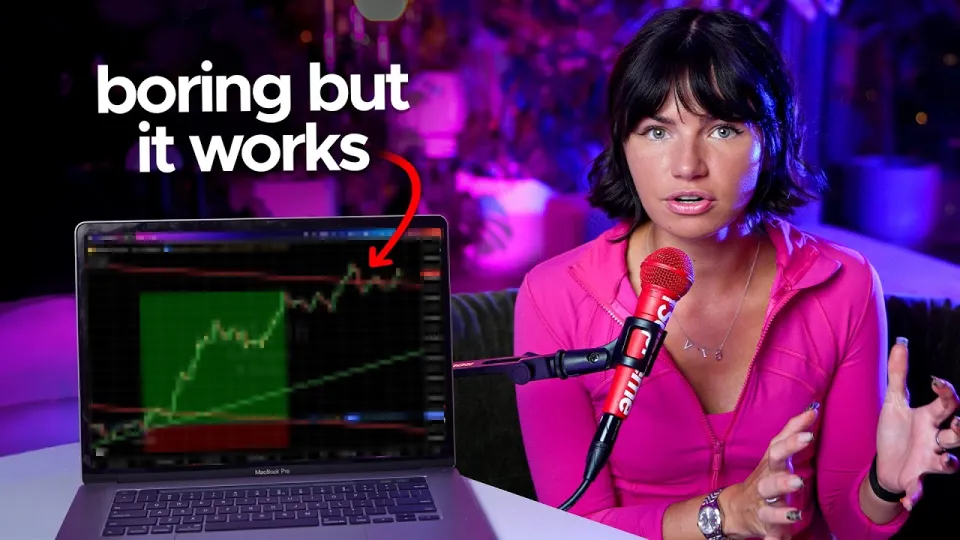
Video: Unfortunately, trading really is this simple
· based on the channel Tori Trades
Key takeaways
- Trading futures allows significant profit with proper strategy and risk management.
- Trendlines are key tools to identify market direction and entry points.
- Effective trading does not require advanced math or economics degrees.
- Tracking trades systematically improves performance and discipline.
- Stop-loss placement near trendline bounces helps minimize losses.
Trading can be straightforward and effective if approached with the right mindset and simple tools. You don't need a finance degree or complex math skills to succeed in trading, especially in futures markets. This article explains how to make trading simple by focusing on trendline strategies and disciplined trade management, inspired by the methods shared by Tori Trades, a well-known trader on YouTube.
Understanding Trading with Trendlines and Futures
Trendlines are fundamental tools in technical analysis that help traders identify the direction of the market and key price levels. By drawing lines connecting price highs or lows on charts, traders can recognize trends and potential reversal points. Futures trading involves contracts to buy or sell assets at a predetermined price in the future, allowing traders to speculate on price movements with leverage.
Using trendlines in futures trading helps pinpoint entry and exit points with clarity. For example, a trader may enter a long position when the price bounces off an upward trendline or short when it breaks below a downward trendline. This method simplifies decision-making and eliminates the need for complicated indicators or formulas.
Step-by-Step Simple Trading System
- Identify the Trend: Start by analyzing the chart to determine if the market is trending upward, downward, or sideways.
- Draw Trendlines: Connect significant highs or lows to form clear trendlines that define the current market direction.
- Plan Entry Points: Look for price bounces or breaks relative to these trendlines to decide when to enter trades.
- Set Stops and Targets: Place stop-loss orders just below (for long trades) or above (for short trades) the trendline to limit risk. Define profit targets based on previous support or resistance levels.
- Track Trades: Maintain a trade journal or use tracking software like TradeZella to monitor performance and improve discipline.
This system requires no advanced math or economics background, making it accessible to beginners and experts alike. Consistency and risk management are key to long-term success.
Managing Volatility and Risk in Futures Trading
Futures markets, including gold and forex, can be highly volatile. Rapid price swings may occur within seconds, sometimes turning a steady trend into a sudden spike or drop. Managing this risk involves:
- Staying alert and ready to exit trades quickly when market conditions change.
- Using stop-loss orders strategically near trendlines to prevent large losses.
- Avoiding over-leveraging, as futures allow significant exposure that can amplify both gains and losses.
Traders should always prepare for unexpected volatility and avoid relying on a single strategy without adjustments for different market conditions.
Common Questions and Challenges in Trendline Trading
Many traders ask where exactly to place stop losses and how far below a trendline they should be. A general rule is to place stops just beyond recent swing lows or highs to avoid being stopped out by minor price fluctuations.
Another challenge is knowing when to re-enter the market if the price moves back above or below a trendline after a trade exit. Traders must develop rules for re-entry based on new trendline formations or confirmation from other price action signals.
Additionally, understanding the differences between trading futures and stocks is essential. Futures trading often involves higher volatility and leverage, which requires more active management compared to stock trading, where algorithms and market makers can influence price behavior differently.
Leveraging Tools and Platforms for Effective Trading
Using reliable platforms such as TradeStation for executing trades and TradeZella for tracking them helps improve trading discipline and strategy refinement. These tools offer real-time data, advanced charting features, and trade management options tailored for futures and forex markets.
By combining a simple trendline-based system with professional tools, traders can enhance their chances of success while keeping the process manageable and transparent.
Useful Links
- Join the Waitlist for Tori Trades' exclusive trading insights and bonuses: https://go.toritradez.com/waitlist-1009
- Track your trades like a pro with TradeZella: https://www.tradezella.com/?via=victoria (use code TORI20 for a discount)
- Use TradeStation broker for futures trading: https://www.tradestation.com/promo/toritrades/
Final Thoughts
Trading does not have to be complicated. By focusing on trendlines and simple entry and exit rules, futures trading can become accessible and profitable. Discipline, risk management, and continuous learning are crucial. The approach popularized by Tori Trades proves that you don’t need advanced degrees or complex systems to succeed. For those looking to simplify and improve their trading, joining the waitlist at Tori Trades is a valuable step toward mastering these straightforward techniques.
Source: Unfortunately, trading really is this simple · Markdown version
Questions & answers
Do I need advanced math skills or a finance degree to trade successfully?
No, successful trading can be achieved using simple technical analysis tools like trendlines and disciplined risk management without requiring advanced math or finance degrees.
Where should I place stop-loss orders when trading with trendlines?
Stop-loss orders should typically be placed just beyond recent swing highs or lows near the trendline to protect against normal price fluctuations while minimizing potential losses.
How do futures trading and stock trading differ in terms of market behavior?
Futures markets often have higher volatility and leverage, requiring more active management. Stock trading can be influenced by algorithms and market makers differently, sometimes making it harder to predict price movements with simple strategies.
What tools can help track and manage trades effectively?
Platforms like TradeZella help traders track their trades systematically, improving discipline and performance. Brokers like TradeStation provide advanced charting and execution features tailored for futures trading.